

- Cooling breeze of White Dew brings the perfect autumn: When purchasing non-woven fabric testing machines, attention should be paid to equipment compatibility and service guarantee.
- The Autumn Season is Approaching: Some Practical Thoughts on Purchasing Nonwoven Fabric Testing Machines
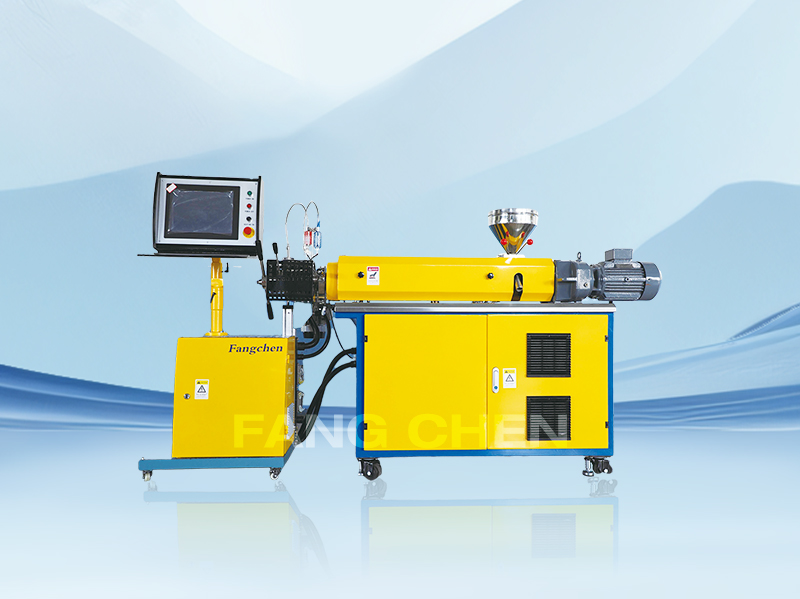
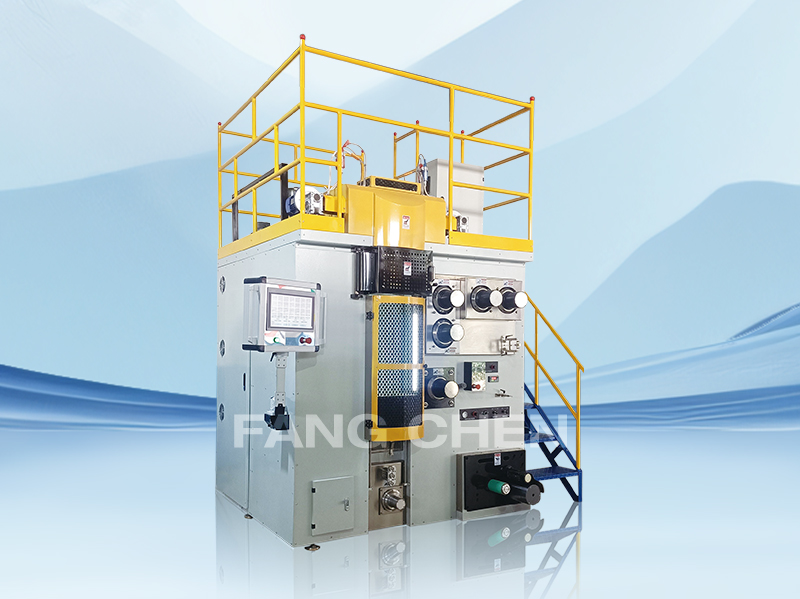
- The end of summer heralds the arrival of autumn. With meticulous efforts, we continue to deepen our endeavors. | Fangchen Machinery's SMS Nonwoven Fabric Testing Machine empowers the new journey of research and development!
- Planning for Purchasing During the Autumn Equinox: Selecting the Right Non-woven Fabric Testing Machine Requires Three Key Considerations
- How to choose the right configuration for the non-woven fabric testing machine in Zibo Fangchen Mechanical Technology?

- Contact: Li Chunmei, Manager
- Mobile: 0086 13615330168
- Contact: Yuan Min, Manager
- Mobile: 0086 13792192370
- WhatsApp: +8613792192370
- Email: laiqzhang@163.com zbfangchen@sina.com
- Address:Qiling LinZi District,Zibo,Shandong,China
Analysis of the Operating Situation of the Fiber Industry in the First Quarter of 2026
In the first quarter of 2026, global geopolitical conflicts continued to intensify, and the disruption of energy supply led to a sharp increase in international oil prices, causing multiple disturbances to the raw material costs, production schedules, and market expectations of the chemical fiber industry, profoundly affecting the overall economic operation of the industry. Specifically, the operating load of chemical fibers was under pressure, and the growth of production volume fluctuated more significantly; cost-driven price increases led to an expansion of processing margins in March, and the industry's profit space was significantly restored; however, the indicators such as operating load, inventory, and profit among different varieties showed significant differentiation, and the structural adjustment and supply-demand rebalancing process of the industry presented different characteristics.
The growth rate of output has declined compared with the previous period, and the effect of inventory reduction varies.
In the first quarter, the overall operating load of the chemical fiber industry was lower than that in the same period of 2025. Among them, the average operating load of polyester filament in the first quarter was approximately 83%, a decrease of 6.55 percentage points compared to the same period in 2025. The operating load has declined significantly since the end of March, dropping to 78.5% by the end of April. The average operating load of nylon in the first quarter was approximately 68%, a decrease of 14.01 percentage points compared to the same period in 2025. The average operating load in February was only 53%, and it rose to 78% and 79% respectively in March and April. The average operating load of spandex in the first quarter was approximately 84%, an increase of 5.43 percentage points compared to the same period in 2025. The operating load has moderately increased since the beginning of the Spring Festival, reaching 86% by the end of April. The average operating load of viscose staple fiber in the first quarter was approximately 92%, an increase of 5.32 percentage points compared to the same period in 2025. The average operating load in April reached 93%.
In the period from January to March in 2026, the output of chemical fibers increased by 5.52% year-on-year. The growth rate was 0.95 percentage points lower than that in the same period of 2025. However, compared with the first two months of this year, it decreased by 1.39 percentage points. The fluctuation in the growth rate has become more significant.
The inventory pressure is lower than that in the same period of 2025, but the inventory trends vary among different product types. Specifically, the average inventory of polyester POY in the first quarter was 14 days, which was 4.85 days lower than that in the same period of 2025. However, the inventory showed a cumulative trend. From mid-to-late April, the inventory began to decrease, and by the end of April, it dropped to 20 days. For spandex, the average inventory in the first quarter was 31 days, which was 18.09 days lower than that in the same period of 2025. It continued the inventory reduction trend since the second half of 2025. From mid-to-late April, the inventory began to accumulate, and by the end of April, it rose to 24 days. For viscose staple fiber, the average inventory in the first quarter was 11 days, which was 3.68 days lower than that in the same period of 2025. The inventory continued to be cleared in April, and by the end of April, it dropped to 7.5 days. The inventory reduction pressure still exists, and the industry is still in a phased pattern of "supply strong and demand weak".
Declaration: The content of this article is compiled from the internet and is copyrighted by the original author; if any infringement is found, please notify us immediately and we will delete it.
Lastest News
- Cooling breeze of White Dew brings the perfect autumn: When purchasing non-woven fabric te
- The Autumn Season is Approaching: Some Practical Thoughts on Purchasing Nonwoven Fabric Te
- The end of summer heralds the arrival of autumn. With meticulous efforts, we continue to d
- Planning for Purchasing During the Autumn Equinox: Selecting the Right Non-woven Fabric Te
- How to choose the right configuration for the non-woven fabric testing machine in Zibo Fan